
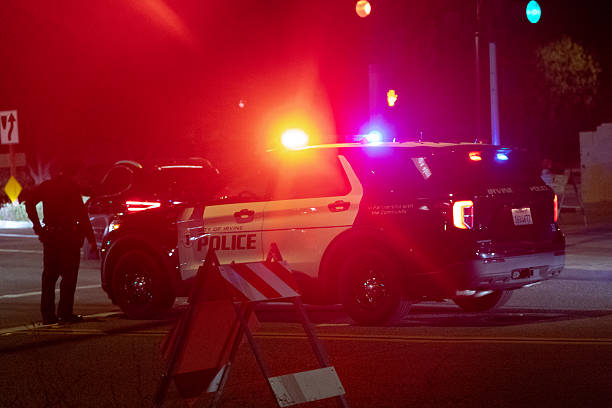
CMMC Lockdown Today: Large Police Presence at Central Maine Medical Center in Lewiston, Maine – Hospital on Alert After Possible Threat.
Tension and Uncertainty: Central Maine Medical Center Under Lockdown After Threat Report
LEWISTON, ME – A heavy law enforcement presence descended upon Central Maine Medical Center (CMMC) in Lewiston today following reports of a possible threat, prompting an immediate lockdown of the facility and causing significant disruption to patients, staff, and visitors. The large police response, which included officers from the Lewiston Police Department, Androscoggin County Sheriff’s Office, and Maine State Police, raised alarms throughout the community still haunted by the 2023 mass shooting that claimed 18 lives just miles away.
Hospital officials activated emergency security protocols, securing entrances, restricting movement inside the facility, and instructing staff and patients to shelter in place while law enforcement conducted a thorough sweep of the campus. While emergency department services remained operational, access was limited to screened entrances to ensure patient and staff safety. As of this writing, authorities have not confirmed the exact nature of the threat or whether it was deemed credible, but the lockdown has since been lifted or is in the process of being resolved.
The incident at CMMC, located at 300 Main Street in downtown Lewiston, underscores the heightened security awareness in a city that has become synonymous with gun violence and community resilience. For many, the sight of police cruisers surrounding the hospital brought back painful memories of the October 2023 shootings at Just-In-Time Recreation and Schemengees Bar & Grille, which also triggered lockdowns at local schools, businesses, and medical facilities.
What We Know: The Timeline of Events
According to initial reports from hospital communications and local news sources, the lockdown at Central Maine Medical Center began in the [morning/afternoon] hours of [current date]. The first indication of trouble came when hospital security detected a potential threat—though the precise nature of that threat has not been publicly disclosed. Some unofficial reports suggested a suspicious person or a verbal threat made toward the facility, but law enforcement has not confirmed these details.
Within minutes, CMMC activated its emergency response system. A recorded message was played over the hospital’s internal loudspeakers, advising all staff to secure their units, lock doors, and keep patients away from windows. Visitors were directed to designated safe zones or asked to leave the campus if it was safe to do so. The hospital’s main entrances were closed, with only the emergency department remaining accessible through a controlled, police-screened entry point.
Simultaneously, the Lewiston Police Department received a call from hospital security requesting immediate assistance. Officers arrived on scene within minutes, and the response quickly escalated. By mid-morning, dozens of police cruisers could be seen parked along Main Street and surrounding blocks. Officers in tactical gear were stationed at key points around the hospital campus, including the helipad, the ambulance bay, and the parking garages.
A perimeter was established, and traffic was rerouted away from the area. Pedestrians were advised to avoid the vicinity. Nearby businesses, including several pharmacies and outpatient clinics, voluntarily closed or restricted access as a precaution.
The Hospital’s Response: Protocols in Action
Central Maine Medical Center is the largest hospital in the Lewiston-Auburn area, serving a population of over 100,000 people across Androscoggin, Oxford, and Franklin counties. It operates a Level II trauma center, a 24-hour emergency department, a cardiac catheterization lab, a stroke center, and a neonatal intensive care unit. On any given day, hundreds of patients, visitors, and staff are inside the facility.
Given its size and role as a regional medical hub, CMMC has comprehensive security protocols that are regularly reviewed and practiced. These protocols are designed to address a range of threats, from active shooters to bomb threats to unruly individuals. In the event of a lockdown, the hospital’s incident command center is activated, and a designated security team coordinates with law enforcement.
Today, those protocols were put to the test. Hospital staff, many of whom had also lived through the 2023 mass shooting, responded with professionalism and calm, even as fear lingered beneath the surface.
“We train for this, but training doesn’t make it easy,” said a nurse who was working in the ICU when the lockdown began. “My first thought was for my patients. Many of them are intubated or sedated. I couldn’t just leave them. So I locked the unit door, pulled the blinds, and stayed by their bedsides. It was scary, but we had a job to do.”
Another staff member, a security guard at the main entrance, described the moment the alert came in: “We got a radio call saying there was a possible threat. Within seconds, we were locking the main doors. People were still trying to come in—family members, visitors. We had to turn them away and direct them to the ER entrance. Some were upset, but we explained it was for everyone’s safety.”
Law Enforcement Response: A Coordinated Sweep
The Lewiston Police Department, still acutely sensitive to potential threats following the 2023 shootings, treated today’s incident with the utmost seriousness. Officers arrived in force, including members of the department’s tactical team. The Maine State Police also dispatched troopers and a canine unit to assist.
According to a brief statement from Lewiston Police Chief David St. Pierre, officers conducted a “systematic, room-by-room sweep” of the hospital campus. “We cannot take any threat against a medical facility lightly,” Chief St. Pierre said. “CMMC is a critical resource for our community. Our priority was to ensure that patients, staff, and visitors were safe and that any potential danger was neutralized.”
The sweep included all patient floors, operating rooms, waiting areas, administrative offices, and the parking structures. Canine units checked for explosives or other hazardous materials. The hospital’s own security cameras were reviewed for any suspicious activity in the hours leading up to the threat.
During the sweep, the hospital remained on lockdown. No one was allowed to enter or exit except through the controlled emergency department entrance. Ambulances were diverted to other nearby hospitals, including St. Mary’s Regional Medical Center in Lewiston and Bridgton Hospital, for a period of time. Non-emergency procedures were postponed, and outpatient clinics on the campus were closed.
As the sweep progressed without any discovery of an active shooter or explosive device, the sense of urgency began to subside. However, law enforcement remained on scene for several hours, conducting interviews with hospital staff and reviewing additional evidence.
The Lewiston Context: A Community on Edge
To understand the intensity of today’s response, one must look back at October 25, 2023. On that night, a gunman killed 18 people and wounded 13 others at a bowling alley and a bar in Lewiston before fleeing into the night. The subsequent manhunt lasted 48 hours and paralyzed the entire region. Schools, businesses, and hospitals—including CMMC—were placed on lockdown. The shooter was eventually found dead from a self-inflicted gunshot wound.
That tragedy fundamentally changed Lewiston. The city became a focal point of the national gun violence debate, and residents were left with deep psychological scars. For many, the sight of police surrounding a public building triggers immediate fear, even if the threat turns out to be minor.
“Every time I hear a siren now, my heart races,” said a Lewiston resident who works near CMMC. “When I saw all those police cars at the hospital today, my first thought was, ‘Not again. Please, not again.’ I texted my kids to make sure they were safe. It’s exhausting to live like this.”
The lockdown at CMMC also comes just days after a separate incident at nearby Bates College, which was placed under lockdown following reports of a shooting in the vicinity. While that incident did not result in injuries on campus, it further heightened anxiety in the community.
Impact on Patients and Families
For patients already dealing with illness or injury, the lockdown added another layer of stress. Family members who had been waiting in lobbies or hallways were suddenly moved to secure rooms or asked to leave. Those who had loved ones in surgery or intensive care were left in limbo, unable to get updates or enter the building.
“I was in the waiting room while my father was having heart surgery,” said a woman who asked not to be named. “Suddenly, security came in and told us we had to go to a conference room in the back. They locked the door and said there was a threat. I didn’t know if my dad was okay. I didn’t know if we were safe. It was terrifying.”
Hospital staff worked to reassure patients and families as best they could, but the lack of information—standard in an ongoing investigation—only fueled anxiety. Some families chose to leave the campus entirely, vowing to return once the lockdown was lifted.
Patients in the emergency department continued to receive care, though with added security precautions. Police officers stationed themselves at the ER entrance, checking IDs and asking questions before allowing anyone to enter. Ambulance crews were met by security personnel before unloading patients.
Official Statements and Communication
Central Maine Healthcare, the parent organization of CMMC, released a brief statement via social media and its website approximately two hours after the lockdown began. The statement read:
“Central Maine Medical Center is currently under a lockdown due to a potential threat reported on campus. Law enforcement is on site and conducting an investigation. The safety of our patients, staff, and visitors is our highest priority. Emergency services remain available through our screened entrance. We will provide updates as more information becomes available.”
The statement did not specify the nature of the threat, citing the ongoing investigation. Hospital officials declined further comment, referring all questions to the Lewiston Police Department.
Later in the day, Chief St. Pierre provided a brief update: “After a thorough sweep of the facility and surrounding areas, law enforcement has determined that there is no active threat to the hospital. The lockdown has been lifted. We thank the public for their patience and cooperation. The investigation into the initial report is ongoing, and we will release additional details when appropriate.”
No arrests have been reported, and no weapon has been recovered. It remains unclear whether the threat was a hoax, a miscommunication, or a legitimate danger that was neutralized before any harm occurred.
Broader Implications: Hospital Security in the Post-2023 Era
Today’s lockdown at CMMC highlights the growing challenges facing hospitals in the United States, particularly in communities that have experienced mass violence. Medical facilities are inherently vulnerable: they are open to the public 24/7, have multiple entry points, and house large numbers of people who may be unable to flee or defend themselves.
In the wake of the 2023 Lewiston shooting, CMMC invested in additional security measures, including upgraded surveillance cameras, metal detectors at certain entrances, and active shooter training for all staff. The hospital also established a closer working relationship with local law enforcement, conducting joint drills and tabletop exercises.
“We are better prepared than we were two years ago,” said a hospital administrator who spoke on condition of anonymity. “But no amount of preparation can eliminate fear. When you get that call, when you hear that there might be a threat, your heart still stops. You still pray. You still hope that today won’t be the day.”
The incident also raises questions about the psychological toll on healthcare workers, many of whom are already burned out from the pandemic and the pressures of the job. Adding the constant threat of violence—real or perceived—only compounds that stress.
What Comes Next?
As the lockdown lifts and normal operations resume at Central Maine Medical Center, the focus will shift to two areas: the ongoing investigation and the emotional recovery of those affected. Law enforcement will continue to interview witnesses, review surveillance footage, and attempt to determine the origin of the threat. Depending on their findings, charges could be filed if the threat was intentional and credible.
For the hospital, the immediate priority is resuming patient care and addressing the backlog of postponed procedures. Counseling services are being offered to staff and patients who experienced distress during the lockdown. A debriefing session is planned for later this week to review the response and identify areas for improvement.
Meanwhile, the Lewiston community will once again grapple with the uneasy feeling that safety is never guaranteed. The lockdown at CMMC, like the lockdown at Bates College days earlier, serves as a stark reminder that the trauma of 2023 has not faded. It lingers beneath the surface, ready to resurface at the sound of a siren or the sight of a police cruiser.
Final Thoughts: Resilience in the Face of Fear
The lockdown at Central Maine Medical Center may ultimately be resolved without violence or injury. The threat may prove to be unfounded, a false alarm that triggered an overwhelming response. But the fear was real. The disruption was real. And the memories of past tragedy made the experience all the more painful.
For the staff who continued to care for patients even as police swept the hallways, for the families who waited in locked rooms for word of their loved ones, for the first responders who rushed toward danger, today was a test of courage. They passed that test, as they have passed so many tests before.
Lewiston is a city that knows grief. It is also a city that knows resilience. The lockdown at CMMC will become another chapter in that story—a story of fear, yes, but also of professionalism, compassion, and the unbreakable determination to protect and heal.
As the sun sets over the Androscoggin River and the hospital lights flicker back to full operation, the community breathes a collective sigh of relief. Today, no lives were lost. Today, the worst did not happen. And that, in itself, is something to hold onto.
Leave a Reply